Bubble Wrap vs. Paper: What’s Best for Packing in Oregon’s Wet Winters?
Securing fragile household goods for a winter relocation requires understanding how different materials react to physical stress. Many people assume that wrapping delicate items in layers of plastic bubbles provides the ultimate shield against impact damage. Strong Horse Home Solutions utilizes trade tested methods to guarantee your valuables survive the bumps and vibrations of a moving truck. The reality of material science proves that standard plastic wrapping often fails exactly when you need it most.
Trusting your expensive china to cheap supplies sets the stage for a very disappointing unpacking experience. Professional packers rely on specific structural techniques to absorb shock and prevent items from shifting inside their boxes. Knowing exactly which materials to use for different types of fragile goods stops catastrophic breakage. A disciplined approach to securing your inventory protects your financial investment and your peace of mind.
Inside this material breakdown:
- The Plastic Flaw: Why trapped air fails under pressure
- Paper Compression: Building a structural shock absorber
- Heavy Protection: Using thick blankets for large items
- Frequently Asked Questions
The Plastic Flaw And Trapped Air
Families boxing up their kitchens constantly ask how do you pack dishes so they do not break in the cold. The general public commonly assumes that thick plastic bubbles provide the best protection against dropping a box. The trade truth is that the trapped air inside plastic bubbles shrinks significantly in freezing temperatures. This physical reaction eliminates the cushioning effect completely and leaves fragile items knocking directly against each other. Once the plastic becomes cold enough it turns brittle and snaps under the slightest pressure.
Building A Structural Shock Absorber
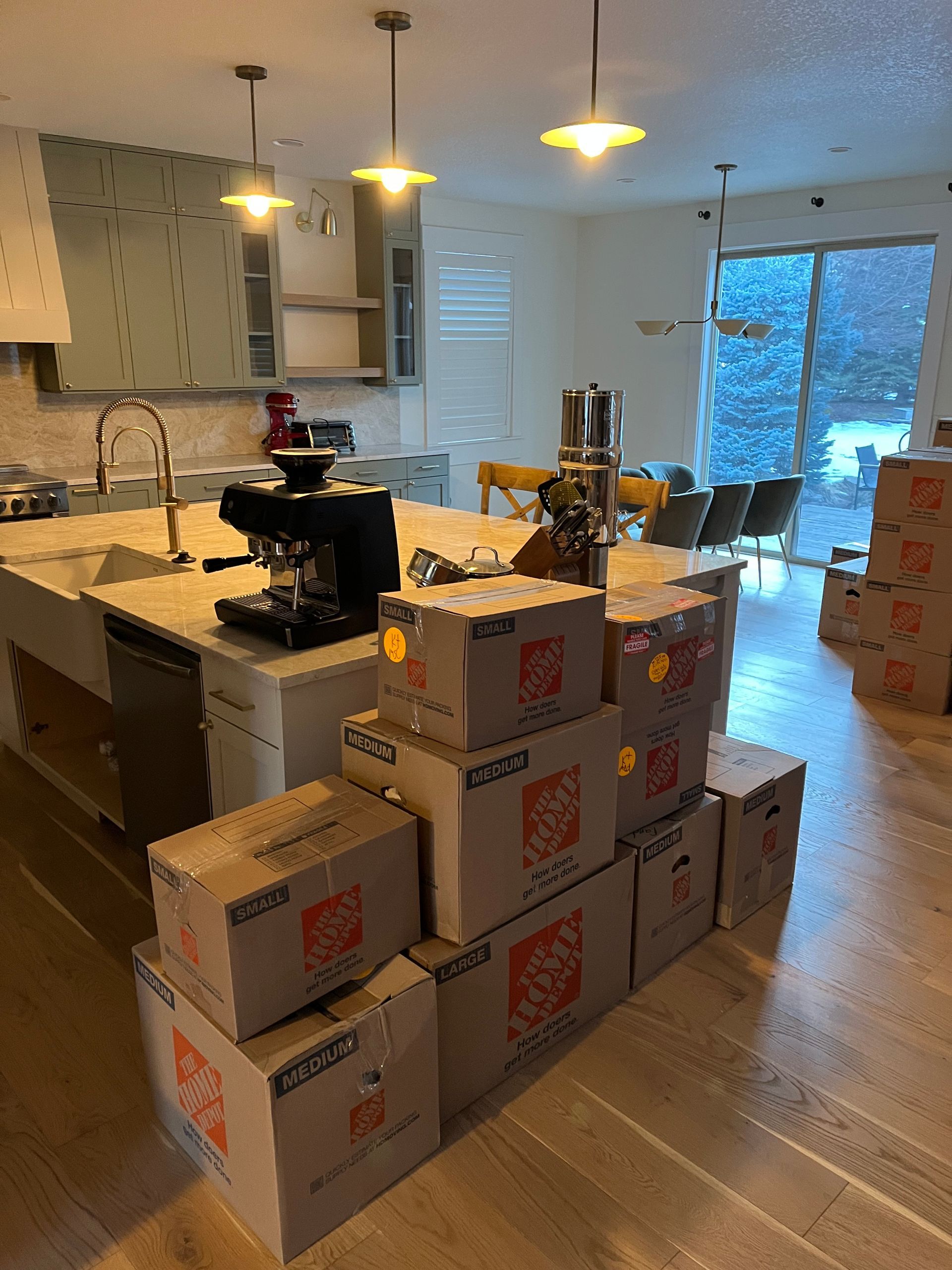
Proper Packing services rely on creating dense layers of crushed paper at the top and bottom of every carton. We wrap individual glasses and plates in clean unprinted newsprint and stand them vertically inside the box. Standing plates on their edges rather than stacking them flat utilizes their strongest structural axis to prevent shattering. This specific method ensures the items remain suspended in a nest of protective paper while traveling across the Willamette Valley.
Using Thick Blankets For Large Items
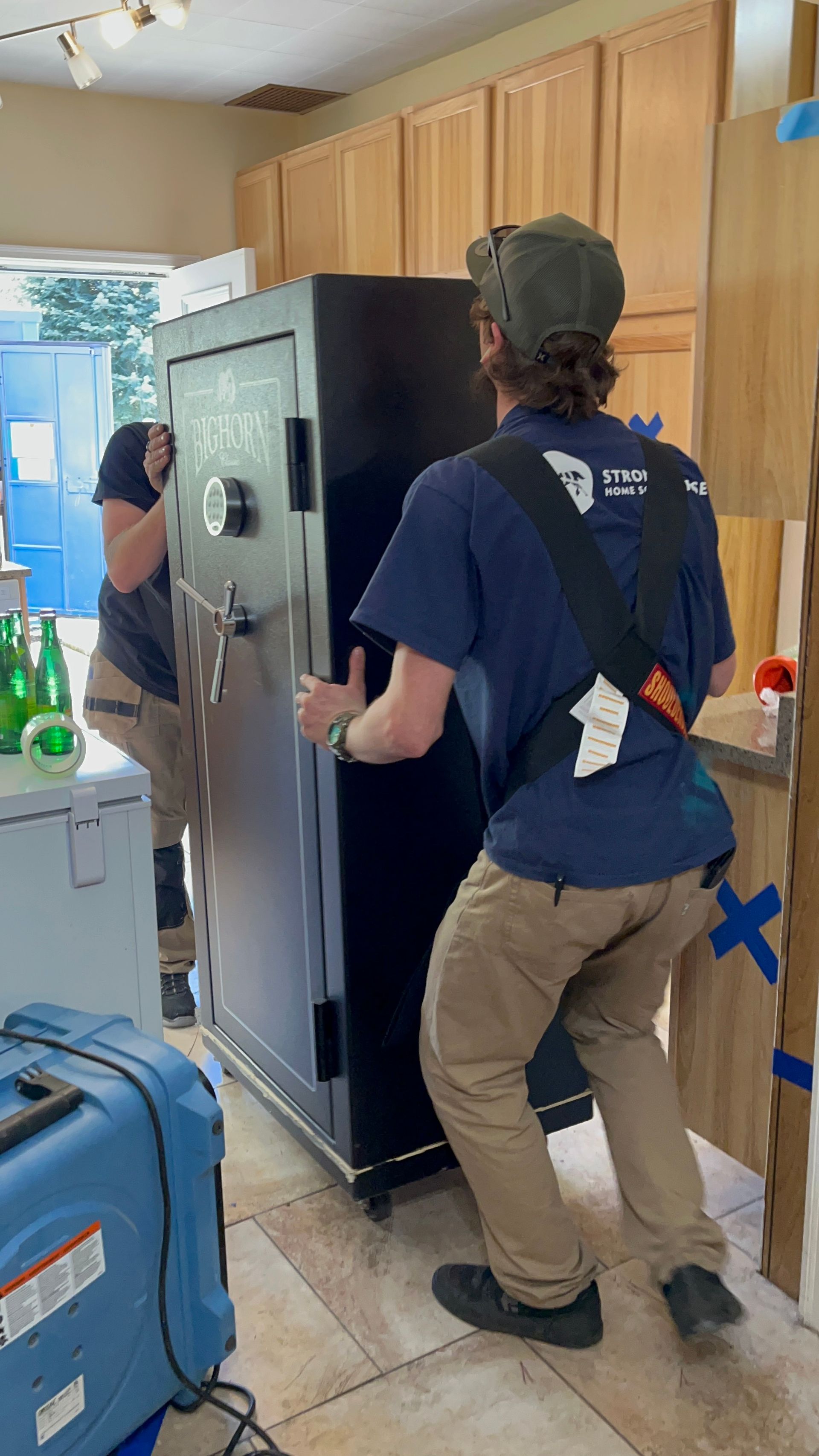
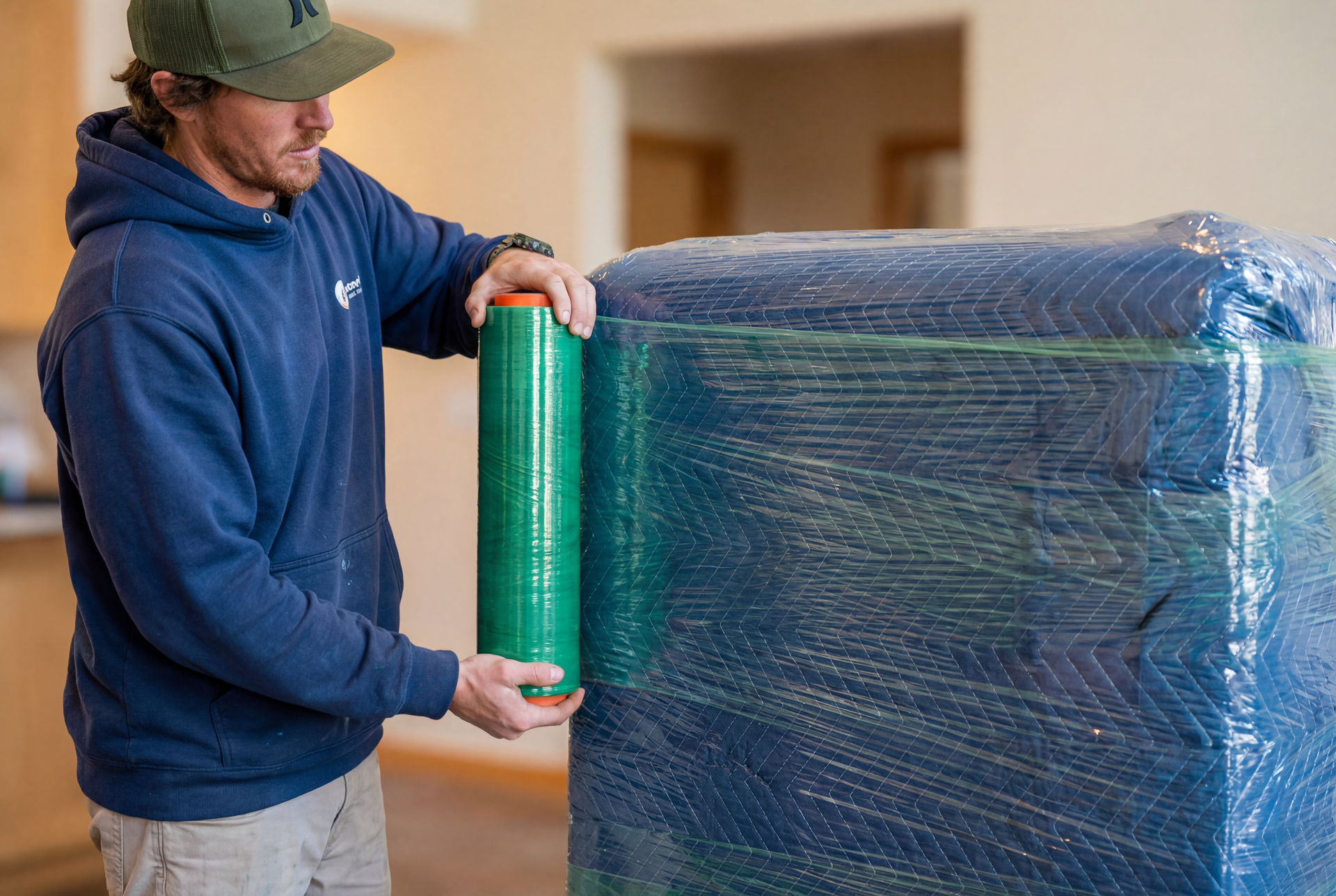
While paper secures the small fragile items thick moving blankets protect large wooden furniture and delicate electronics. We wrap dressers and televisions tightly in padded blankets and secure them with industrial stretch film. This heavy layer of fabric absorbs the friction of the moving truck and prevents sharp corners from gouging the drywall during the load out. Pairing these packing techniques with our secure Local Moving transit guarantees a safe arrival.
► Client Experience: "They took extra effort to pad doorways and carefully packed our contents while making sure items were covered with furniture blankets and protected in the truck."
Kari Sherman confirms that proper material selection and disciplined packing methods yield perfect results over any distance.
Frequently Asked Questions
Should I pack my dishes in plastic bins?
Cardboard boxes are vastly superior for fragile items because the cardboard walls absorb external impacts rather than cracking like rigid plastic bins.
Can I leave my clothes inside the dresser drawers?
Leaving soft clothing inside the drawers is perfectly fine and actually adds beneficial weight that keeps the dresser stable during transit.
Securing Your Valuables Correctly
Applying the correct packing materials drastically reduces the risk of opening a box full of broken glass. Utilizing proven trade techniques ensures your most prized possessions survive the journey intact. Contact our packing specialists today to secure your delicate inventory.
Share This Blog